

Designing Rugged IT Networks for Remote Energy Sites
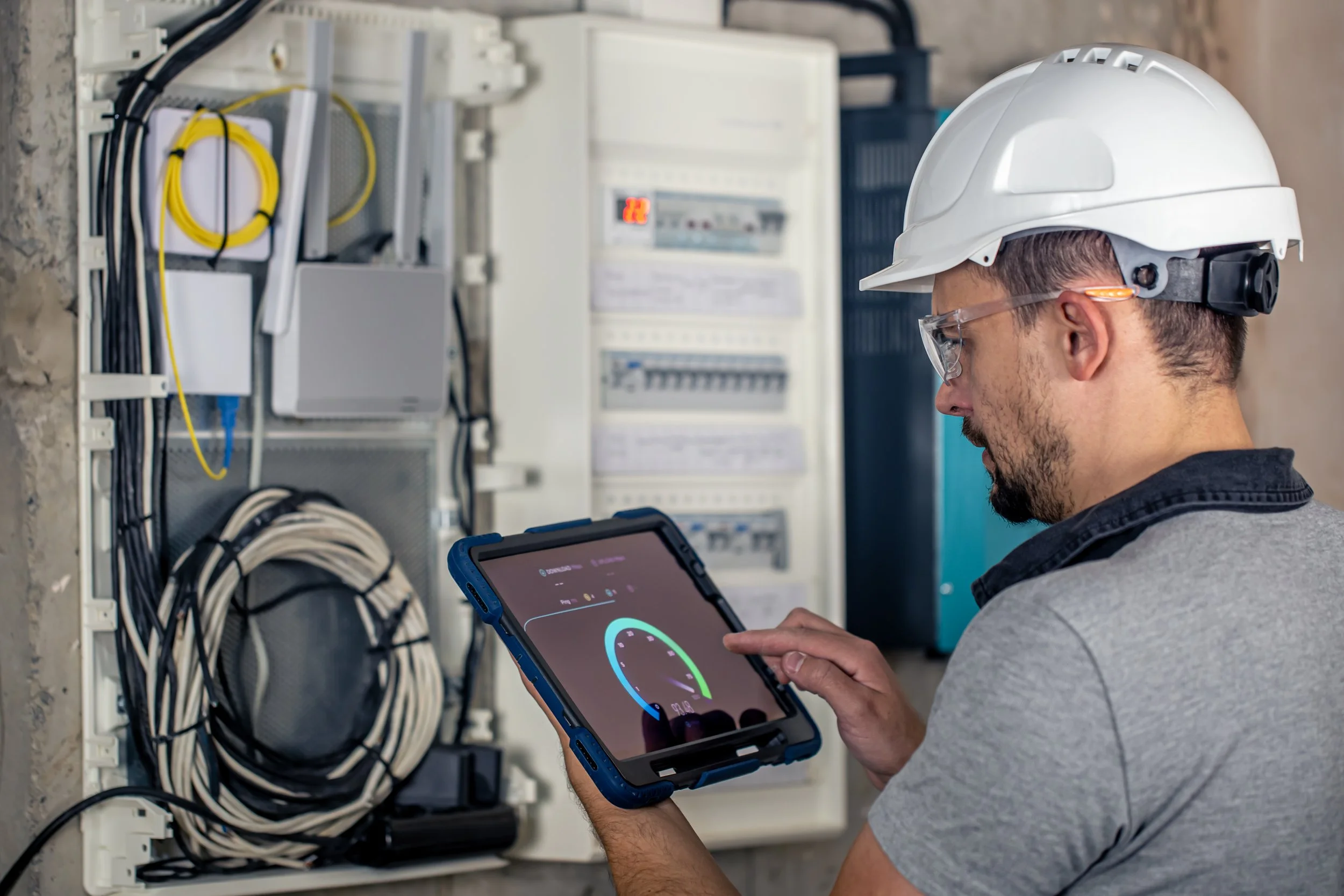
Remote energy sites—such as oil rigs, wind farms, and solar installations—face extreme environmental challenges that demand robust, reliable IT infrastructure. From subzero temperatures in Alaska to intense humidity in Hawaii, these energy telecom sites require networks built for environmental resilience. Designing rugged IT networks for remote energy sites is a critical concern for utilities and oil & gas companies aiming to maintain operational efficiency and security.
Understanding the Challenges of Remote Energy Sites
Remote energy sites operate in some of the most unforgiving environments, from offshore oil platforms to desert solar farms. These locations face extreme weather, limited connectivity, and heightened security risks, making network design and management critical for success.
Harsh Environmental Conditions
Remote sites endure temperature extremes, high humidity, dust, and corrosive elements, all of which can damage standard IT equipment. Rugged network gear is essential to withstand these conditions, ensuring uninterrupted communication and data transfer. For example, network engineering security in Oregon and Alaska must account for freezing temperatures and heavy snowfall, while network administration in Hawaii deals with tropical storms and saltwater corrosion.
Connectivity and Security Challenges
Isolated locations often lack reliable internet access, requiring innovative solutions like fiber-microwave hybrid systems. Additionally, cyber security in Oregon, Alaska, Maui, and Hawaii is critical to protect sensitive data from cyber threats, especially in critical infrastructure like energy sites. Richesin Engineering provides expert network design & implementation to address these challenges, ensuring robust connectivity and security.
Key Components of Rugged IT Networks
Designing rugged IT networks for remote energy sites requires specialized equipment and strategies to ensure reliability and performance. These components are tailored to withstand harsh conditions and deliver consistent connectivity.
Rugged Network Gear
Rugged network gear includes hardened routers, switches, and enclosures designed to operate in extreme temperatures, dust, and moisture. For example, equipment used in energy telecom sites in Alaska must be rated for subzero conditions, while gear in Maui needs corrosion-resistant coatings. Richesin Engineering sources high-quality rugged network gear to ensure durability and performance.
Fiber-Microwave Hybrid Systems
Fiber-microwave hybrid systems combine the high-speed reliability of fiber optic splicing with the flexibility of microwave transmission. This approach is ideal for remote sites where laying fiber is challenging. For instance, fiber splicing in Oregon and Hawaii ensures high-bandwidth connections, while microwave links provide backup connectivity in areas with limited infrastructure.
Edge Computing for Efficiency
Edge computing processes data locally at the site, reducing latency and bandwidth demands. This is critical for real-time applications like wired surveillance cameras in Oregon or video surveillance solutions in Hawaii, where immediate data analysis enhances security and operational efficiency. Richesin Engineering integrates edge computing into network designs to optimize performance.
Designing Rugged IT Networks for Reliability
Creating a reliable IT network for remote energy sites involves careful planning and execution. Richesin Engineering follows a proven process to ensure environmental resilience and operational uptime.
Designing rugged IT networks starts with a thorough site assessment to understand environmental and operational needs. This informs the selection of rugged network gear and connectivity solutions tailored to the site’s conditions.
Site Assessment and Planning
A comprehensive site assessment evaluates factors like temperature ranges, terrain, and power availability. For example, network engineering security in Maui must account for high humidity, while Alaska sites require insulation against extreme cold. Richesin Engineering conducts detailed network design analysis to create customized solutions.
Selecting Durable Hardware
Choosing rugged network gear with IP67 or higher ratings ensures protection against dust, water, and temperature extremes. For instance, network administration services in Hawaii often use corrosion-resistant enclosures to protect equipment from saltwater exposure. Richesin Engineering partners with top manufacturers to source reliable hardware.
Real-World Deployments
Richesin Engineering has successfully deployed rugged IT networks across diverse environments. In Oregon, we designed a network for a wind farm using fiber splicing and edge computing to monitor turbine performance. In Alaska, we implemented surveillance cameras and fiber-microwave hybrid systems for an oil rig, ensuring real-time monitoring and connectivity. These deployments demonstrate our expertise in network design & implementation.

Fiber Splicing for Robust Connectivity
Fiber splicing is a cornerstone of reliable connectivity in remote energy sites, providing high-speed, low-latency data transmission essential for operations and security.
Fiber optic splicers create durable connections that withstand environmental stressors, ensuring consistent performance. Richesin Engineering’s fiber splicing company in Oregon, Alaska, Maui, and Hawaii delivers expert solutions for energy telecom sites.
Importance of Fiber Splicing
Fiber splicing in Oregon and Hawaii ensures high-bandwidth connections for real-time data transfer, critical for applications like video surveillance systems. Fiber optic splice closures protect connections from moisture and dust, enhancing environmental resilience. Our fiber splicing contractors use advanced single fiber fusion splicers to ensure precision and durability.
Best Practices for Fiber Splicing
Use High-Quality Splicers: Fiber optic fusion splicers ensure low-loss connections, critical for remote sites.
Protect Splices: Fiber optic splice cases shield connections from environmental damage, especially in Alaska’s harsh winters or Maui’s humid conditions.
Regular Inspections: Routine checks by fiber splicing companies ensure long-term reliability.
Richesin Engineering’s fiber splicing company in Oregon and Hawaii has a proven track record of delivering robust connectivity for remote energy sites.
Surveillance and Security for Remote Sites
Security is paramount at remote energy sites, where surveillance cameras and cyber security services play a critical role in protecting assets and data.
Surveillance cameras in Oregon, Alaska, Maui, and Hawaii monitor critical infrastructure, deterring theft and vandalism. Integrating these systems with rugged IT networks ensures reliable data transmission and storage.
Role of Surveillance Systems
Outdoor security camera systems provide real-time monitoring of remote sites. For example, house security camera systems in Maui are adapted for industrial use, offering high-resolution footage in harsh conditions. Richesin Engineering integrates video surveillance solutions with edge computing for immediate data processing.
Cyber Security Integration
Cyber security in Oregon and Hawaii protects surveillance data from breaches. Our cyber security company implements encryption, firewalls, and intrusion detection systems to safeguard energy telecom sites. Network security in networking ensures that video surveillance systems remain secure from cyber threats.
Tower Maintenance and Inspections
Communication towers are critical for rugged IT networks, providing connectivity for remote energy sites. Regular maintenance and inspections ensure reliability and safety.
Tower climbing in Oregon, Alaska, Maui, and Hawaii supports the upkeep of antennas and microwave systems. Richesin Engineering’s tower inspection services ensure structural integrity and compliance.
Importance of Tower Inspections
Cell tower inspections identify issues like corrosion or structural damage, preventing network outages. For example, tower inspections in Alaska focus on ice buildup, while Maui inspections address saltwater corrosion. Our cell tower inspection company uses advanced tools for thorough assessments.
Tower Maintenance Strategies
Tower maintenance in Hawaii and Oregon includes cleaning, repairs, and equipment upgrades. Tower climbing training ensures technicians operate safely in challenging conditions. Richesin Engineering’s cell tower maintenance company supports ongoing reliability for energy telecom sites.
Cyber Security for Remote Energy Networks
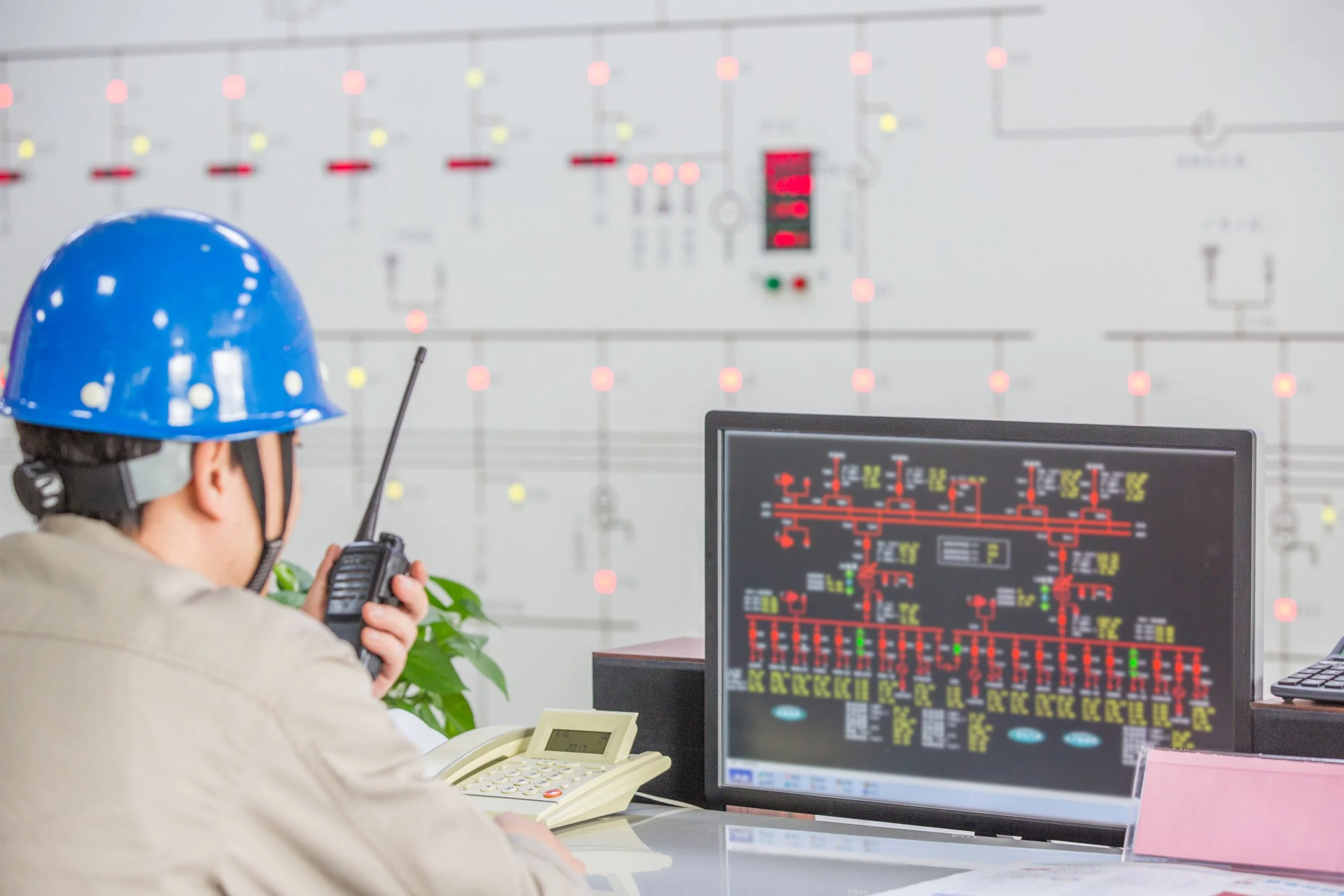
Cyber security is critical for protecting rugged IT networks from threats like data breaches and ransomware, which can disrupt energy operations.
Cyber security companies in Oregon, Alaska, Maui, and Hawaii provide specialized solutions for remote sites. Richesin Engineering’s cyber security services include network monitoring, threat detection, and incident response.
Role of Network Administration
Network administration services ensure ongoing security and performance. Network security admins monitor traffic, apply patches, and enforce security protocols. Our network administration in Alaska and Hawaii keeps energy telecom sites secure and operational.
Comprehensive Cyber Security Solutions
Our cyber security company in Oregon and Maui implements:
Firewalls and Encryption: Protect data transmitted over fiber-microwave hybrid systems.
Intrusion Detection: Monitor for unauthorized access to video surveillance systems.
Regular Audits: Ensure compliance with industry standards.
Richesin Engineering’s cyber security professionals deliver tailored solutions to protect remote energy networks.
Richesin Engineering: Your Partner for Rugged IT Networks
At Richesin Engineering, we specialize in designing and maintaining rugged IT networks for remote energy sites. Our expertise in network engineering security, fiber splicing, surveillance cameras, and tower maintenance makes us a trusted partner for utilities and oil & gas companies.
Why Choose Richesin Engineering?
Regional Expertise: We understand the unique challenges of Oregon, Alaska, Maui, and Hawaii, from extreme weather to regulatory requirements.
Comprehensive Solutions: From fiber splicing in Oregon to cyber security in Hawaii, we offer end-to-end services.
Proven Reliability: Our real-world deployments demonstrate success in energy telecom sites across diverse environments.
Contact us at Richesin Engineering for a consultation to design a rugged IT network tailored to your needs.
FAQ
What makes a network “rugged” for remote energy sites?
A rugged IT network uses rugged network gear designed to withstand extreme temperatures, moisture, and dust, ensuring reliability in harsh environments like energy telecom sites.
How does a fiber-microwave hybrid improve connectivity?
Fiber-microwave hybrid systems combine the high bandwidth of fiber splicing with the flexibility of microwave links, providing reliable connectivity in remote areas where fiber alone is impractical.
Why is edge computing important for remote energy networks?
Edge computing processes data locally, reducing latency and bandwidth demands for applications like surveillance cameras in Oregon and video surveillance solutions in Hawaii.
How can surveillance cameras enhance site security?
Outdoor security camera systems monitor remote sites in real-time, deterring theft and vandalism. Integrated with cyber security services, they ensure secure data transmission.
What cyber security services are needed for remote energy sites?
Cyber security services include firewalls, encryption, intrusion detection, and regular audits to protect energy telecom sites from cyber threats, as offered by our cyber security company in Oregon and Hawaii.
Conclusion
Designing rugged IT networks for remote energy sites is essential for utilities and oil & gas companies operating in harsh environments. By leveraging rugged network gear, fiber-microwave hybrid systems, and edge computing, you can ensure reliable connectivity and performance.
Surveillance cameras in Oregon, Alaska, Maui, and Hawaii, combined with cyber security services and tower maintenance, enhance security and uptime. At Richesin Engineering, our expertise in network engineering security, fiber splicing, and tower inspection services ensures your energy telecom site thrives in any condition.