

Why Fiber Optic Networks are Vital for Alaska’s Remote Communities
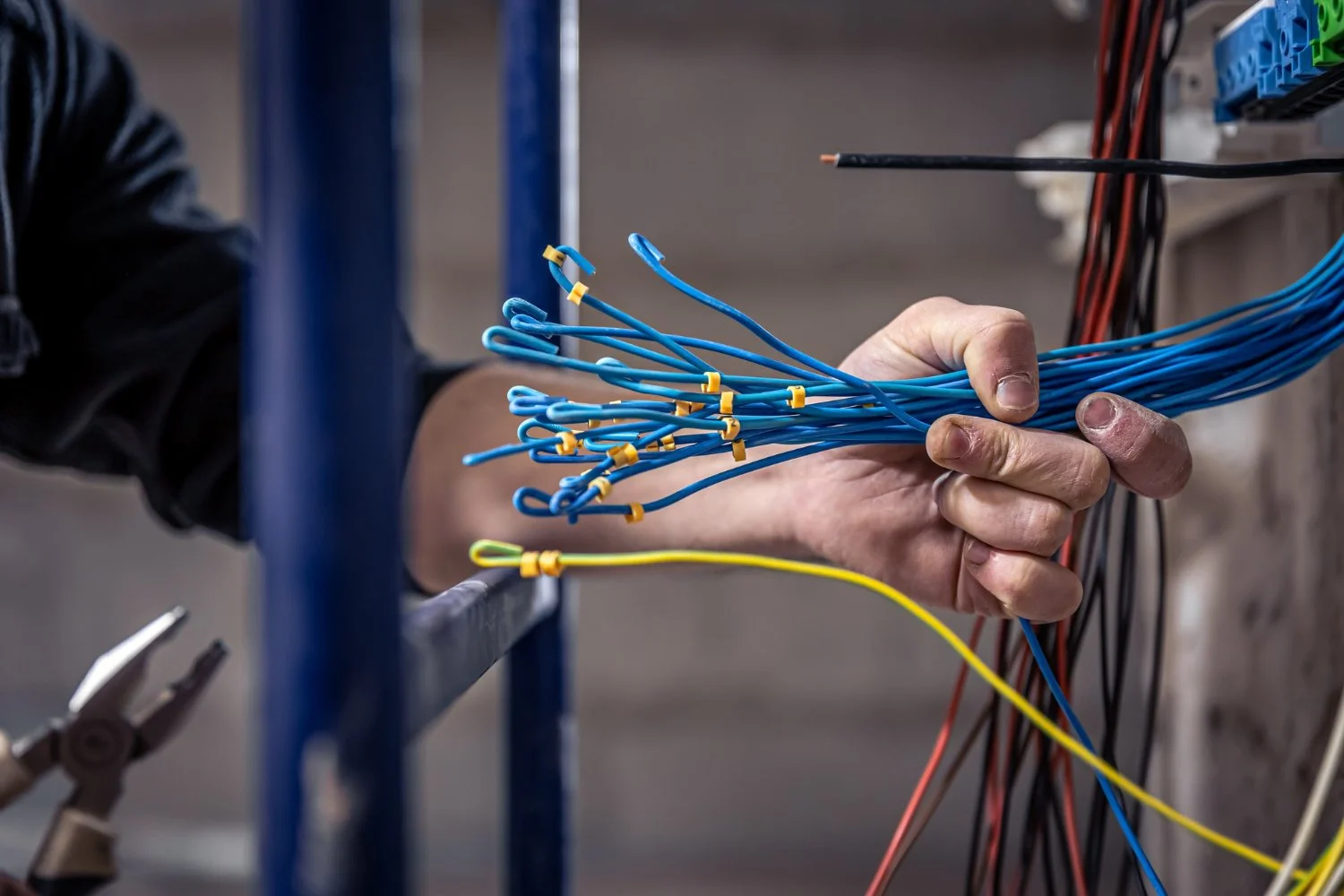
Alaska’s remote communities face connectivity challenges unlike almost anywhere else in the United States. Vast distances, rugged terrain, limited road access, and extreme weather conditions make building and maintaining communication infrastructure both complex and costly. For many villages and rural towns, reliable internet access is not just a convenience but a critical lifeline.
In this environment, Fiber Optic networks have become essential infrastructure. They support communication, healthcare, education, public safety, and economic participation. Unlike satellite or copper-based systems, fiber optic technology provides consistent performance, high bandwidth, and long-term reliability, even in harsh conditions.
This article explains why fiber optic networks are vital for Alaska’s remote communities, how fiber splicing ensures network reliability, and why proper planning and maintenance are crucial for sustainable connectivity.
Understanding Fiber Optic Technology
Fiber optic technology uses light-based data transmission to deliver high-speed, low-latency connectivity over long distances with minimal signal loss.
What Is Fiber Optic Communication?
Fiber optic communication uses light to transmit data through strands of glass or plastic. These strands are capable of carrying vast amounts of information over long distances with minimal signal loss. This makes fiber optic infrastructure especially suitable for remote regions where distances between communities can span hundreds of miles.
Compared to traditional copper cables, Fiber Optic networks are more resistant to electromagnetic interference and environmental degradation. They maintain consistent performance even in cold temperatures and challenging terrain.
Engineering-focused organizations such as Richesin Engineering contribute to the development and support of fiber infrastructure by applying structured planning and precise installation practices suited for remote and complex environments.
Why Fiber Optic Outperforms Other Connectivity Options
Satellite internet is often used in remote regions, but it suffers from latency, limited bandwidth, and weather-related disruptions. Copper-based systems experience signal loss over long distances and require frequent maintenance.
Fiber optic networks overcome these limitations by offering low latency, high capacity, and long-term durability. For communities that rely on digital access for essential services, fiber is the most dependable solution available.
Connectivity Challenges in Alaska’s Remote Communities
Remote geography, extreme weather, and limited infrastructure access make reliable communication networks difficult to deploy and maintain in Alaska.
Geographic Isolation and Infrastructure Limitations
Many Alaskan communities are accessible only by air or water. This isolation increases installation costs and makes emergency repairs difficult. As a result, infrastructure must be built to last and require minimal maintenance.
Careful engineering design and reliable installation practices reduce service interruptions and lower long-term costs. Once deployed correctly, fiber networks can operate for decades with limited intervention.
Environmental and Climate Conditions
Extreme cold, seasonal storms, snow accumulation, and freeze-thaw cycles all pose risks to traditional cabling systems. Fiber optic cables, when properly protected and installed, perform reliably in these conditions.
Accurate techniques for splicing fiber optic cable are particularly important in Alaska, as poorly executed splices can lead to signal loss that is difficult to diagnose and repair in remote locations.
The Importance of Fiber Splicing in Remote Networks
Accurate fiber splicing ensures continuous signal transmission and long-term reliability in networks serving isolated and hard-to-reach locations.
What Is Fiber Splicing?
Fiber splicing is the process of joining two fiber optic cables to create a continuous transmission path. Each splice must be completed with precision to ensure minimal signal loss and long-term stability.
A qualified fiber splicing company uses specialized tools and trained technicians to perform this work, especially in environments where network reliability is critical.
Fiber Splicing Methods
Different fiber splicing methods, including fusion and mechanical splicing, are used based on network requirements, durability needs, and environmental conditions.
Fusion Splicing
Fusion splicing uses a fiber optic splicer to permanently bond fiber ends together using heat. This method produces the lowest signal loss and is ideal for long-distance and backbone fiber networks commonly used in remote regions.
Mechanical Splicing
Mechanical splicing aligns fibers using fiber splice connectors. While faster to install, this method typically results in slightly higher signal loss and is more commonly used for temporary or emergency repairs.
In Alaska’s remote communities, fusion splicing is generally preferred due to its durability and long-term performance.
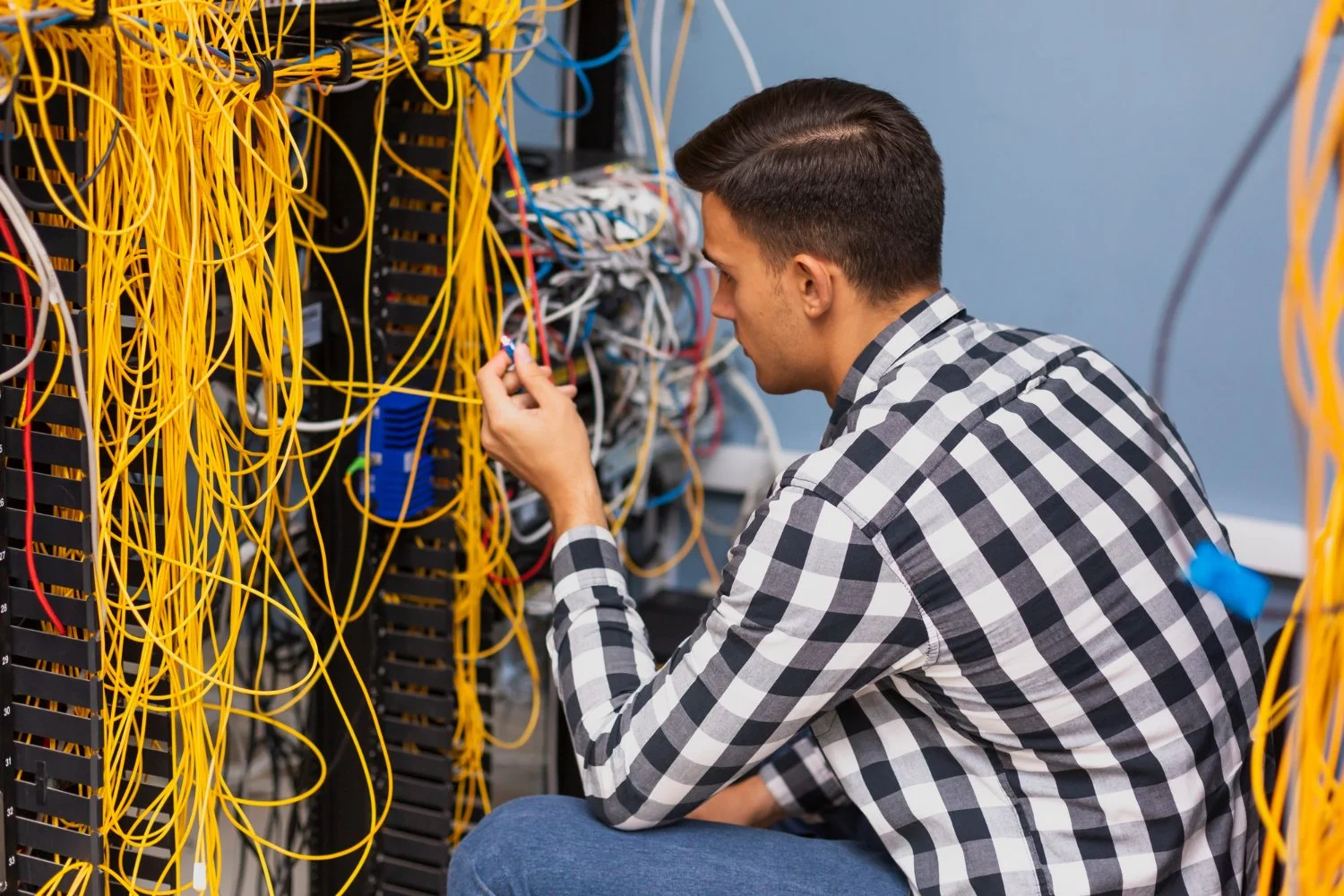
Fiber Optic Networks and Essential Services
Fiber optic networks support critical services such as healthcare, education, emergency response, and government operations in remote communities.
Healthcare and Telemedicine
Reliable connectivity enables telemedicine services that allow patients in remote communities to consult with specialists without traveling long distances. Video consultations, remote diagnostics, and digital medical records depend on stable, high-bandwidth networks.
Without Fiber Optic infrastructure, many of these services would be unreliable or unavailable, limiting access to quality healthcare.
Education and Distance Learning
Students in rural Alaska increasingly rely on online learning platforms for coursework, collaboration, and access to educational resources. Fiber optic networks support virtual classrooms, video instruction, and research tools that would otherwise be inaccessible.
Stable internet access helps reduce educational disparities caused by geographic isolation.
Economic and Community Development
Reliable fiber connectivity enables local businesses, remote work opportunities, and economic participation in geographically isolated regions.
Supporting Local Businesses
Reliable internet connectivity allows local businesses to operate digital tools, manage online transactions, and reach customers beyond their immediate region. Fiber networks support entrepreneurship and economic diversification in communities with limited physical access.
Enabling Remote Work
Fiber connectivity makes remote employment feasible, allowing residents to participate in national and global job markets. This reduces the need for relocation and helps communities retain skilled workers.
Planning and Installing Fiber Networks in Remote Regions
Successful fiber deployment in remote areas requires careful engineering, environmental assessment, and long-term infrastructure planning.
Importance of Engineering-Led Planning
Deploying fiber in remote environments requires detailed planning that accounts for terrain, climate, accessibility, and long-term maintenance. Structured approaches to fiber deployment reduce risks and improve reliability.
Professional examples such as fiber splicing services in Oregon demonstrate how engineering-driven processes contribute to stable and scalable fiber networks.
Fiber Optic Splicing Supplies and Equipment
High-quality fiber optic splicing supplies are essential for reliable installations. These include precision cleavers, cleaning tools, protective splice sleeves, and testing equipment.
Using a calibrated fiber cable splicer ensures accurate alignment and minimal signal loss. In remote areas, where repairs are costly and time-consuming, quality equipment is critical.
Lessons from Other Remote Fiber Deployments
Remote regions across the United States face similar challenges, particularly in areas with limited access and harsh environmental conditions.
For example, fiber splicing services in Maui highlight how moisture, terrain, and logistical constraints influence fiber installation strategies. Similarly, fiber splicing services in Hawaii demonstrate the importance of durable materials and careful environmental planning.
These lessons are directly applicable to Alaska’s remote communities, where resilience and reliability are paramount.
Maintenance and Long-Term Network Reliability
Regular inspection, testing, and skilled maintenance help ensure fiber networks remain stable and functional over extended periods.
Monitoring and Inspection
Although fiber optic networks require less maintenance than copper systems, periodic inspections are still necessary. Monitoring splice points and signal strength helps identify potential issues before they cause service interruptions.
Access to Technical Expertise
Remote communities benefit from having access to experienced technical support when planning upgrades or addressing maintenance needs. Organizations can contact a fiber splicing company to discuss infrastructure planning, splicing requirements, and long-term network strategies.
The Future of Fiber Optic Infrastructure in Alaska
As demand for digital services continues to grow, fiber optic networks will remain the backbone of connectivity in Alaska’s remote regions. Emerging technologies such as advanced telehealth, remote monitoring systems, and digital government services require the bandwidth and reliability that only fiber can provide.
Investing in Fiber Optic infrastructure today ensures that Alaska’s remote communities remain connected, resilient, and prepared for future technological needs.
Frequently Asked Questions (FAQ)
-
Fiber optic technology provides reliable, high-speed connectivity needed for healthcare, education, emergency services, and economic participation in isolated regions.
-
Fiber splicing connects fiber cables to maintain continuous data transmission. Proper splicing minimizes signal loss and ensures long-term network reliability.
-
Technicians use tools such as a fiber optic splicer, precision cleavers, testing devices, and protective materials.
-
Yes. When installed correctly, fiber optic cables perform well in cold temperatures, moisture, and harsh environmental conditions.
-
While fiber networks require minimal maintenance, periodic inspections and testing are recommended to ensure optimal performance over time.
Conclusion
Fiber optic networks are essential for overcoming the geographic and environmental challenges faced by Alaska’s remote communities. By delivering reliable, high-speed connectivity, Fiber Optic infrastructure supports critical services such as healthcare, education, emergency response, and economic development. Proper planning, precise fiber splicing, and ongoing maintenance play a key role in ensuring long-term network performance in isolated regions. As digital needs continue to grow, investing in resilient fiber infrastructure remains a practical and necessary step toward sustainable connectivity for remote communities.
For organizations seeking technical guidance or infrastructure planning support, it is important to contact a fiber splicing company better understand installation, splicing, and long-term network considerations.