

How to Choose the Best Home Surveillance Camera System in Alaska
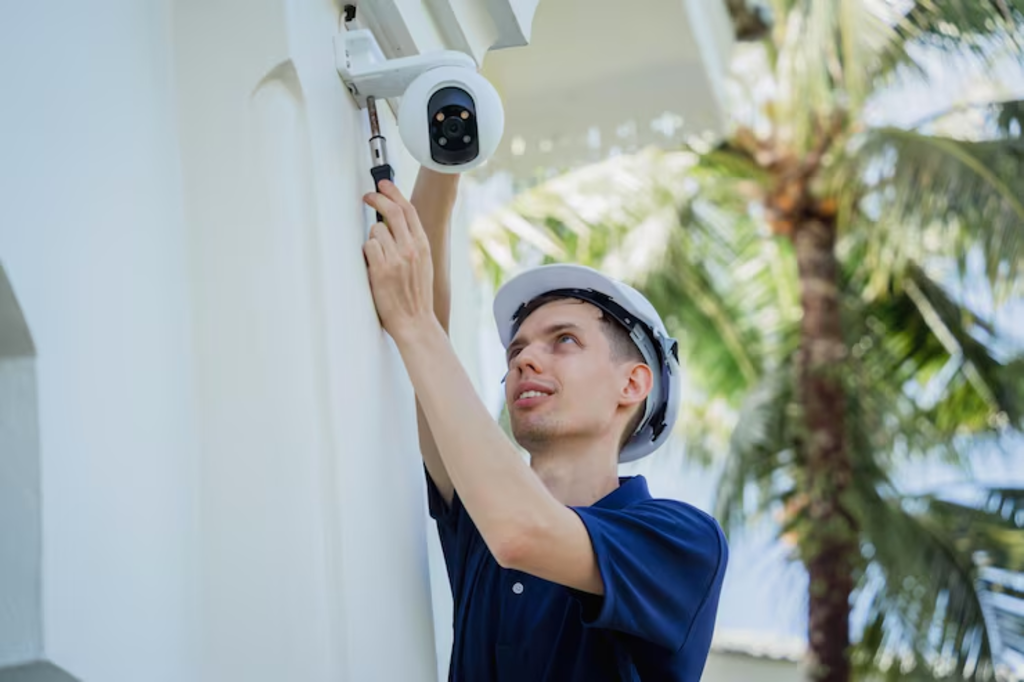
Alaska’s unique environment presents challenges that most other states don’t face when it comes to home security. From extended winter nights to extreme cold, heavy snowfall, and remote properties, residents need a Home Surveillance Camera System that is robust, weatherproof, and technologically advanced.
Installing the right surveillance system not only helps prevent break-ins and vandalism but also allows homeowners to monitor wildlife, manage deliveries, and secure cabins or vacation homes across the state. This comprehensive guide will help you understand the types of cameras, critical features, installation techniques, and ongoing maintenance to ensure your property is fully protected.
Why Home Surveillance is Essential in Alaska
Alaska’s geographic and climatic conditions make home security more complicated:
Remote locations: Many homes are far from urban centers, making immediate law enforcement response slow.
Severe weather: Freezing temperatures, heavy snow, and icy roads create unique challenges for outdoor cameras.
Wildlife encounters: Bears, moose, and other animals can trigger motion sensors or damage property.
Extended darkness: Winter months bring prolonged periods of darkness, requiring high-quality night vision.
A well-designed Home Surveillance Camera System helps homeowners monitor properties effectively, whether they live year-round or have seasonal cabins.
Types of Home Surveillance Cameras
Understanding the different types of cameras and their applications ensures you select the right system for your property.
Indoor Surveillance Cameras
Indoor cameras are ideal for monitoring entryways, hallways, living areas, and garages. Key features include:
Motion detection with alerts
Two-way audio for communication
Remote access via smartphone apps
Integration with smart home systems
These cameras are particularly useful for parents who want to check on children or homeowners who need to monitor interior spaces while away.
Outdoor Security Camera Systems
An outdoor security camera system is essential for protecting entrances, driveways, and perimeters. For Alaska, outdoor cameras must be weather-resistant and capable of operating in freezing temperatures. Features include:
IP65 or higher waterproof rating
Anti-fogging and heating elements
Infrared or low-light night vision
Motion detection optimized to reduce false alerts from wildlife
Outdoor video surveillance systems are ideal for properties with large yards, detached garages, or multiple entry points.
Wired vs Wireless Cameras
| Feature | Wired | Wireless |
| Reliability | High | Moderate, signal-dependent |
| Installation | Requires cabling | Simple and flexible |
| Best For | Large, permanent properties | Small homes or temporary setups |
Smart Integrated Cameras
Smart cameras offer additional convenience with features such as:
Instant notifications on mobile devices
Cloud storage and playback
Integration with alarms, lights, and door locks
Remote monitoring from anywhere
These systems are ideal for homeowners who travel frequently or manage multiple properties.
Key Features to Consider in Alaska
Selecting a Home Surveillance Camera System for Alaska requires careful consideration of specific performance features.
Resolution
High-resolution cameras ensure clear images for identifying faces, license plates, or property damage. Recommendations:
Indoor cameras: Minimum 1080p
Outdoor cameras: 2K or 4K
Higher resolution improves night footage and makes remote monitoring more effective.
Night Vision
Alaska’s long winter nights require excellent night vision. Look for cameras with:
Infrared LEDs for black-and-white night vision
Color low-light sensors for clearer images
Automatic brightness adjustment to handle snow glare
Field of View
Wide-angle cameras cover larger areas, reducing the number of cameras required. A 110°–130° field of view is recommended for most outdoor spaces.
Motion Detection
Advanced motion detection technology can differentiate between people, vehicles, and wildlife. This helps reduce false alerts caused by animals or moving snow.
Weatherproofing
Cameras installed outdoors must withstand Alaska’s harsh climate:
IP65 or higher water and dust resistance
Temperature range below -20°C
Durable housing to resist wind, snow, and ice
Storage Options
Consider storage carefully:
Local storage: SD card or DVR/NVR system ensures offline reliability.
Cloud storage: Provides remote access and redundancy.
Hybrid storage: Combines both for optimal reliability and accessibility.
Alaska-Specific Considerations
When choosing a house security camera system, Alaska residents should focus on:
Temperature tolerance: Ensure electronics function in extreme cold.
Remote access: Many homes are off-grid or seasonal, requiring reliable mobile monitoring.
Wildlife alerts: Motion sensors should ignore small animals but detect humans or vehicles.
Backup power: Consider battery, solar, or generator options for uninterrupted operation.
These considerations ensure your system remains functional throughout the year.
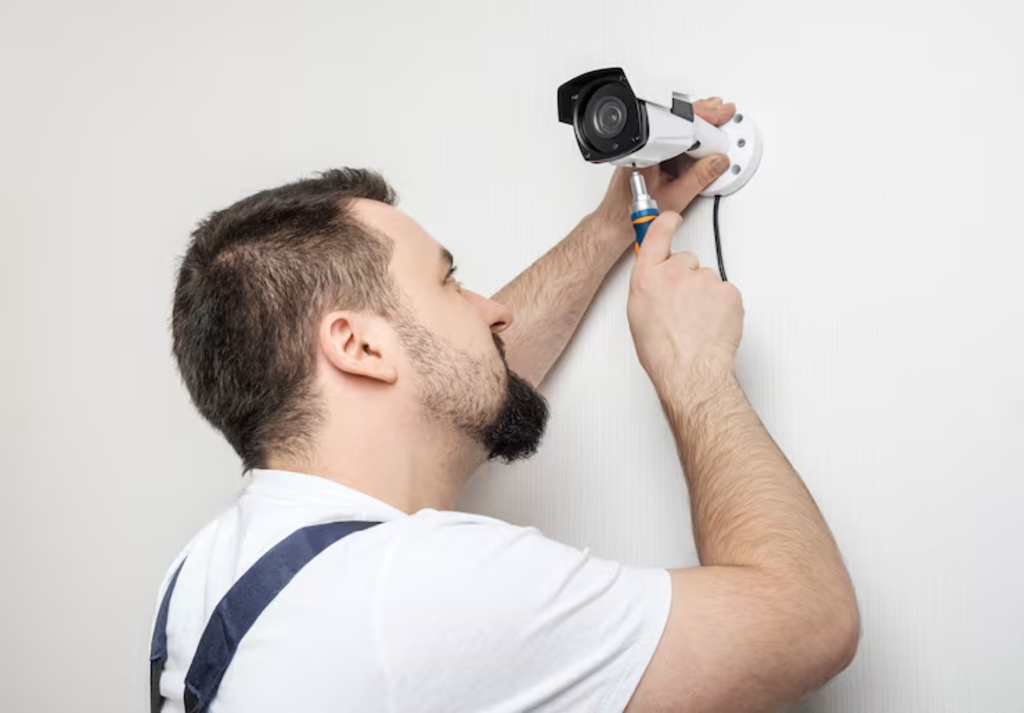
Professional vs DIY Installation
Installation can be as simple as placing a few cameras or as complex as setting up a full network with multiple indoor and outdoor units.
DIY Installation
DIY is possible for small setups, especially wireless cameras. Benefits include lower cost and flexibility. However, you must:
Ensure proper camera placement
Secure connections and power sources
Optimize Wi-Fi signals for remote monitoring
Professional Installation
Professional installation is recommended for larger systems with:
Multiple outdoor cameras
Wired or hybrid setups
Integration with alarms and smart home devices
Homeowners can request professional installation via the contact page to ensure cameras are correctly positioned and functioning optimally.
Camera Placement Tips
Proper placement improves effectiveness and reduces false alerts.
Outdoor Cameras
Mount high enough to prevent tampering or snow coverage
Avoid pointing directly at reflective surfaces, like windows or snow
Cover driveways, entrances, and property perimeters
Indoor Cameras
Place near hallways, entrances, and high-traffic areas
Avoid pointing directly at windows to prevent glare
Keep cameras out of reach to avoid tampering
Maintenance Tips
Regular maintenance ensures reliable operation:
Clean lenses monthly to remove snow, dirt, or dust
Test wireless connections and backup power systems
Update camera firmware for security and performance improvements
Adjust angles after storms or heavy snowfall
Ongoing maintenance is crucial, especially in harsh Alaskan winters.
Camera Brands and Models Suited for Alaska
When choosing a surveillance camera, consider these reputable options:
| Brand | Features | Best For |
| Arlo Pro 4 | Weatherproof, 2K HDR, color night vision | Small to medium properties |
| Ring Spotlight Cam | Built-in lights, motion alerts, two-way talk | Driveways and entrances |
| Nest Cam IQ Outdoor | AI motion detection, person alerts, 1080p HD | Smart homes with cloud storage |
| Reolink 4K | Ultra-HD, PoE wired, night vision | Large properties or remote cabins |
| Hikvision DS-2CD | IP65, wide temperature range, NVR integration | Commercial-grade or high-security homes |
Comparing Camera Types
| Camera Type | Pros | Cons | Best Use |
| Bullet | Long-range visibility, durable | Conspicuous | Driveways, perimeters |
| Dome | Vandal-resistant, wide-angle | Shorter range | Entrances, patios |
| PTZ | Flexible coverage, zoom feature | Expensive, complex | Large properties |
| Indoor Fixed | Easy setup, low cost | Limited coverage | Hallways, living areas |
| Smart Cameras | Remote access, AI alerts | Cloud subscription may be required | Seasonal homes, off-grid monitoring |
Frequently Asked Questions
-
Yes, but ensure they are rated for subzero temperatures and include anti-fog or heating features.
-
Wireless cameras require strong signal strength. Wired or hybrid systems may be more reliable in off-grid locations.
-
Depends on property size and layout. Typical Alaska homes use 3–5 cameras initially and expand as needed.
-
Local storage ensures offline reliability. Cloud storage allows remote access. Combining both is recommended.
-
Smart cameras provide convenience and real-time monitoring, especially useful for vacation homes or remote cabins.
-
Some cameras with motion alerts and lights can reduce wildlife interference, but they are primarily for human security.
Final Thoughts
Choosing the right Home Surveillance Camera System in Alaska requires careful evaluation of climate, property layout, and technology features. Weatherproofing, night vision, resolution, and motion detection are crucial for maintaining effective security year-round.
Proper placement, regular maintenance, and professional installation (if needed) enhance reliability. For homeowners seeking expert guidance, installation, or consultation, explore the Richesin Engineering surveillance services to ensure your home or cabin remains fully protected.